Get Backflow Plumbing Replacement
Backflow plumbing replacement services involve local contractors fixing or replacing faulty backflow preventers to protect water quality and ensure safe, reliable water flow.
Property owners exploring backflow plumbing replacement services often seek reliable solutions to ensure their plumbing systems function properly and meet local safety standards. Whether addressing aging infrastructure, preventing contamination, or upgrading outdated components, many in the area are considering professional assistance to handle these important projects. Understanding the options available among local contractors can help make planning easier and more informed, ensuring the work is completed effectively and to the necessary specifications.
For those evaluating their next steps, it’s helpful to compare the services offered by various local service providers experienced in backflow plumbing replacement. Connecting with qualified contractors can provide clarity on the scope of work, materials used, and the best approaches for individual property needs. Continuing to explore these options can lead to a well-informed decision that aligns with the property’s maintenance goals and long-term performance.
- Backflow Prevention Device Replacement - when existing backflow preventers are outdated, malfunctioning, or failing to meet local codes.
- Residential Backflow Pipe Replacement - if there are signs of pipe corrosion, leaks, or contamination risks in a home’s plumbing system.
- Commercial Backflow System Upgrade - for businesses needing to comply with updated safety standards or experiencing backflow issues.
- Emergency Backflow Repair - when sudden backflow incidents cause water contamination or flooding in a property.
- Backflow Testing and Replacement - to ensure ongoing protection and compliance after a backflow device has been tested or identified as faulty.
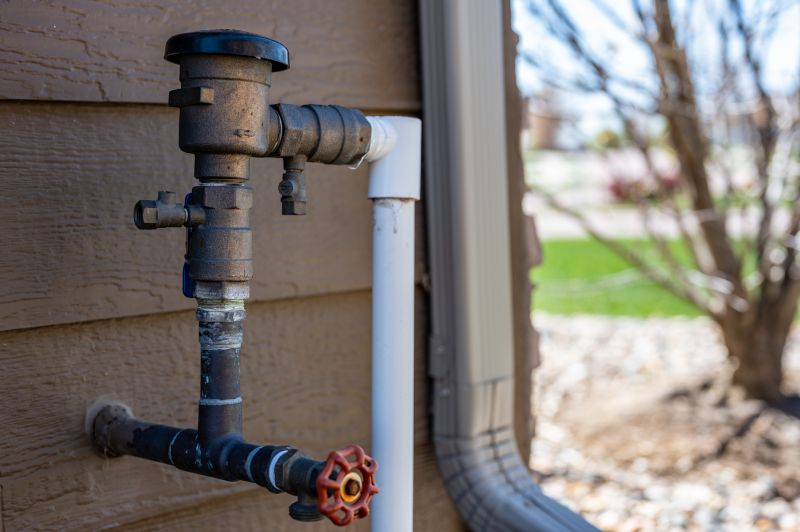
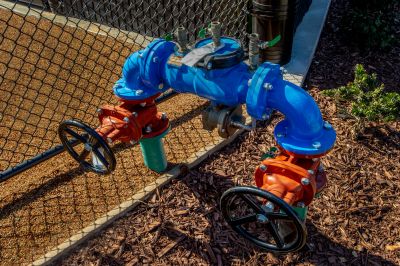
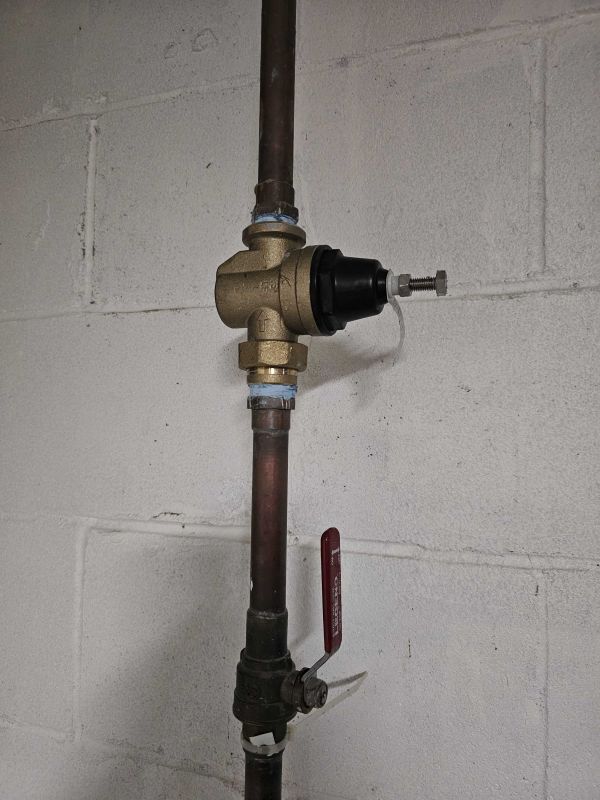
Backflow plumbing replacement services involve removing and replacing backflow prevention devices within a property's plumbing system. These devices are designed to prevent contaminated water from flowing backward into the main water supply, ensuring safe and clean drinking water. When these devices become outdated, damaged, or fail to function properly, they can pose health risks and compromise water quality. Professional service providers can assess the condition of existing backflow preventers and perform replacements to maintain the integrity of the plumbing system.
This service helps address a range of problems, including persistent leaks, corrosion, or mechanical failure of backflow preventers. Over time, exposure to water pressure and environmental factors can cause these devices to deteriorate, leading to potential water contamination or system malfunctions. Replacing faulty backflow preventers can prevent costly water damage, reduce health hazards, and ensure compliance with local plumbing codes. Service providers can also upgrade older systems to meet current standards, providing peace of mind for property owners.
Backflow plumbing replacement is commonly needed in various types of properties, especially those with complex plumbing setups or commercial facilities. Residential homes with irrigation systems, multi-family dwellings, and commercial buildings such as restaurants, offices, or industrial facilities often require these services. Properties with irrigation systems, fire suppression systems, or connections to auxiliary water sources are particularly reliant on effective backflow prevention. Local contractors can evaluate the specific needs of each property and recommend appropriate replacement solutions to keep water systems safe and functional.
Homeowners should consider backflow plumbing replacement if they notice signs of device failure or suspect that their backflow preventers are outdated. Common indicators include water discoloration, decreased water pressure, or unusual odors coming from faucets and fixtures. Regular inspections by qualified service providers can identify potential issues before they escalate, ensuring the plumbing system remains reliable and safe. Contacting experienced local contractors can help determine whether a replacement is necessary and facilitate the proper installation of new backflow prevention devices.
The overview below groups typical Backflow Plumbing Replacement projects into broad ranges so you can see how smaller, mid-sized, and larger jobs often compare in your area.
In many markets, a large share of routine jobs stays in the lower and middle ranges, while only a smaller percentage of projects moves into the highest bands when the work is more complex or site conditions are harder than average.
Smaller Repairs - typical costs for minor backflow repairs usually fall between $250 and $600. Many routine fixes and part replacements land within this range, making it a common expense for local contractors. Larger or more complex repairs can sometimes exceed this range, but they are less frequent.
Full Replacement - replacing an entire backflow preventer typically costs between $1,000 and $3,000. Most projects in this category are straightforward replacements, while more complex installations or older systems may push costs higher.
High-Pressure or Commercial Systems - larger, commercial-grade backflow replacements can range from $3,500 to $8,000 or more. These projects are less common and often involve specialized equipment and labor, which increases the overall cost.
Maintenance and Testing - routine testing and maintenance services usually cost between $100 and $300 annually. Many property owners schedule regular inspections within this range, while extensive testing or repairs may increase the expense. Local pros can provide detailed estimates based on specific needs.
Actual totals will depend on details like access to the work area, the scope of the project, and the materials selected, so use these as general starting points rather than exact figures.
Water Line Replacement - involves replacing or repairing water supply lines, requiring similar skills in pipe installation and planning as backflow plumbing replacements.
Sewer Line Repair - includes diagnosing and fixing underground sewer lines, utilizing comparable tools and excavation techniques used in backflow system upgrades.
Fixture Installation and Replacement - entails installing or replacing plumbing fixtures, which shares foundational plumbing knowledge with backflow device servicing.
Underground Pipe Repair - involves working with underground piping systems, requiring planning and excavation skills akin to backflow prevention system work.
Water Pressure Regulation Services - includes installing or repairing pressure regulators, involving similar understanding of plumbing systems and component placement.
Drain Line Cleaning - focuses on clearing blockages in drain systems, utilizing plumbing tools and techniques comparable to those used in backflow prevention projects.
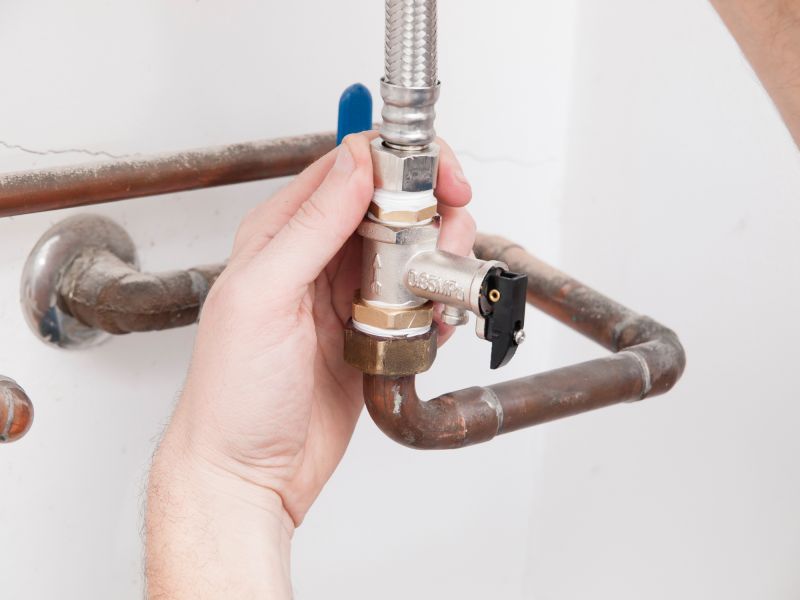
When comparing service providers for backflow plumbing replacement, it’s important to evaluate their experience with similar projects. Homeowners should seek out contractors who have a proven track record of handling backflow prevention and replacement work in residential settings. Contractors with relevant experience are more likely to understand the specific requirements of the job, identify potential issues early, and deliver a solution that meets the needs of the property. Asking about past projects or requesting references can help gauge a contractor’s familiarity with backflow systems and their ability to manage projects of similar scope.
Clear, written expectations are essential to ensure that both parties understand the scope of work, materials involved, and the steps involved in the replacement process. Homeowners should look for service providers who are willing to provide detailed written estimates or project outlines. This documentation helps prevent misunderstandings and sets a foundation for transparency. Having well-defined expectations also makes it easier to compare different contractors, ensuring that each proposal covers the necessary work and aligns with the homeowner’s goals.
Reputation and communication are key factors when choosing a local contractor for backflow plumbing replacement. Reputable service providers can be identified through references, reviews, or recommendations from trusted sources. Good communication involves not only responsiveness but also the ability to explain technical details in understandable terms. Homeowners should prioritize contractors who are approachable, transparent, and willing to answer questions thoroughly. Remember, the goal is to connect with skilled local service providers who can handle the project professionally, rather than expecting the site to perform the work itself.
Property owners use Backflow Plumbing Replacement services for practical projects around their homes and businesses. This guide focuses on everyday jobs and straightforward project options.
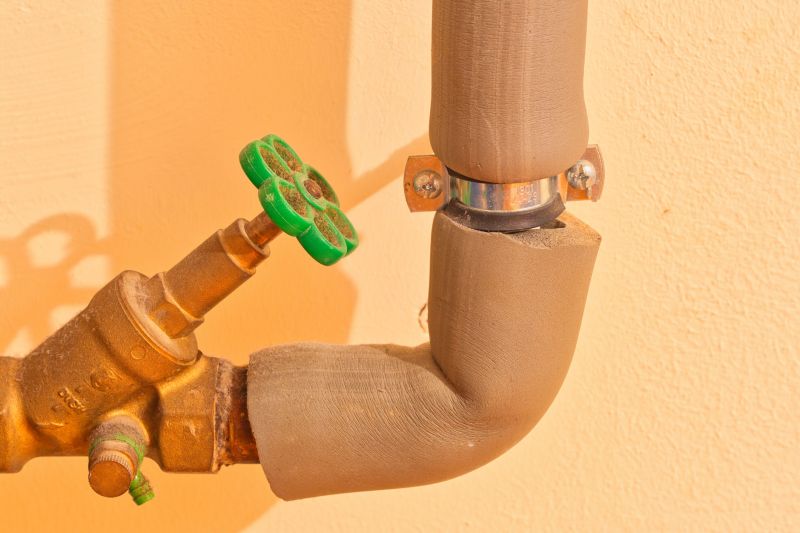
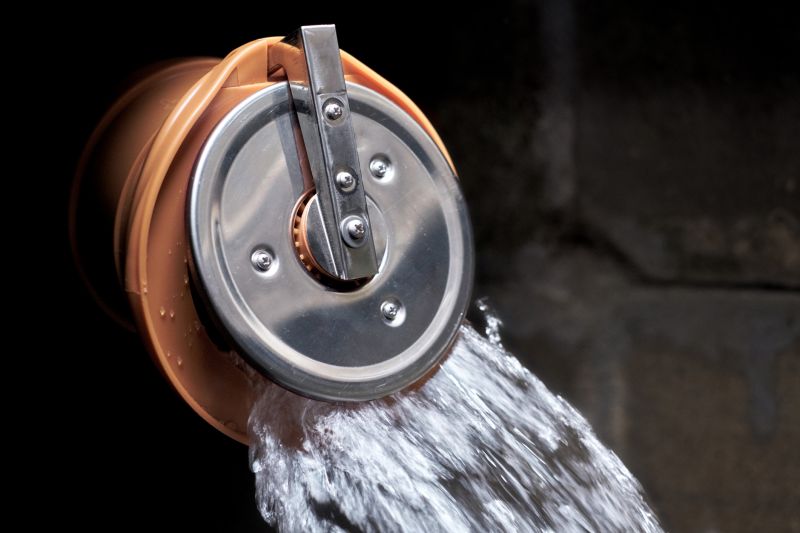
Backflow plumbing replacement services are often needed when property owners notice issues like decreased water pressure, unusual tastes or odors in their water supply, or signs of backflow contamination. These situations can arise from aging or damaged backflow prevention devices, or after plumbing system upgrades that require new or updated components. Local contractors who specialize in backflow prevention can evaluate existing systems, identify potential problems, and recommend suitable replacements to ensure the safety and functionality of the property’s water supply.
Property owners in the area may also seek backflow replacement services during routine inspections or in response to local regulations that mandate regular testing and maintenance of backflow prevention devices. Additionally, changes to plumbing layouts or the installation of new fixtures can necessitate updates to backflow prevention measures. Local service providers are equipped to handle these projects efficiently, helping property owners maintain compliance and safeguard their water systems against potential contamination.
What is backflow plumbing replacement? Backflow plumbing replacement involves removing and installing pipes or backflow prevention devices to ensure contaminated water cannot flow back into the clean water supply.
When should backflow plumbing be replaced? Replacement may be needed if backflow prevention devices are malfunctioning, damaged, or outdated, to maintain proper water safety and compliance.
How can local contractors assist with backflow plumbing replacement? They can evaluate existing systems, recommend appropriate replacements, and perform the installation to ensure reliable water flow and safety.
What signs indicate a backflow prevention device needs replacement? Signs include water discoloration, foul odors, or visible damage to the device, which may suggest it is no longer functioning properly.
Why choose professional backflow plumbing replacement services? Professional services ensure the work meets safety standards, reduces the risk of contamination, and helps maintain compliance with local regulations.
Backflow Prevention Replacement - Replacing outdated backflow prevention devices helps ensure water safety and compliance for residential or commercial properties.
Pipe Replacement for Backflow Prevention - Upgrading old or damaged pipes can prevent backflow issues and protect property plumbing systems.
Backflow Valve Installation - Installing new backflow valves can safeguard drinking water by preventing contaminated water from entering the supply.
Emergency Backflow Repair - Local contractors can handle urgent backflow issues to minimize disruptions and maintain safe water flow.
If you are thinking about Backflow Plumbing Replacement for a property, this guide is meant to help you understand the work, the typical project types, and how different options might fit your plans.
When you are ready, you can use the quote form on this page to share a few details about your project. From there, local pros can review the basics and respond with options that match what you have in mind.